
Table of Contents
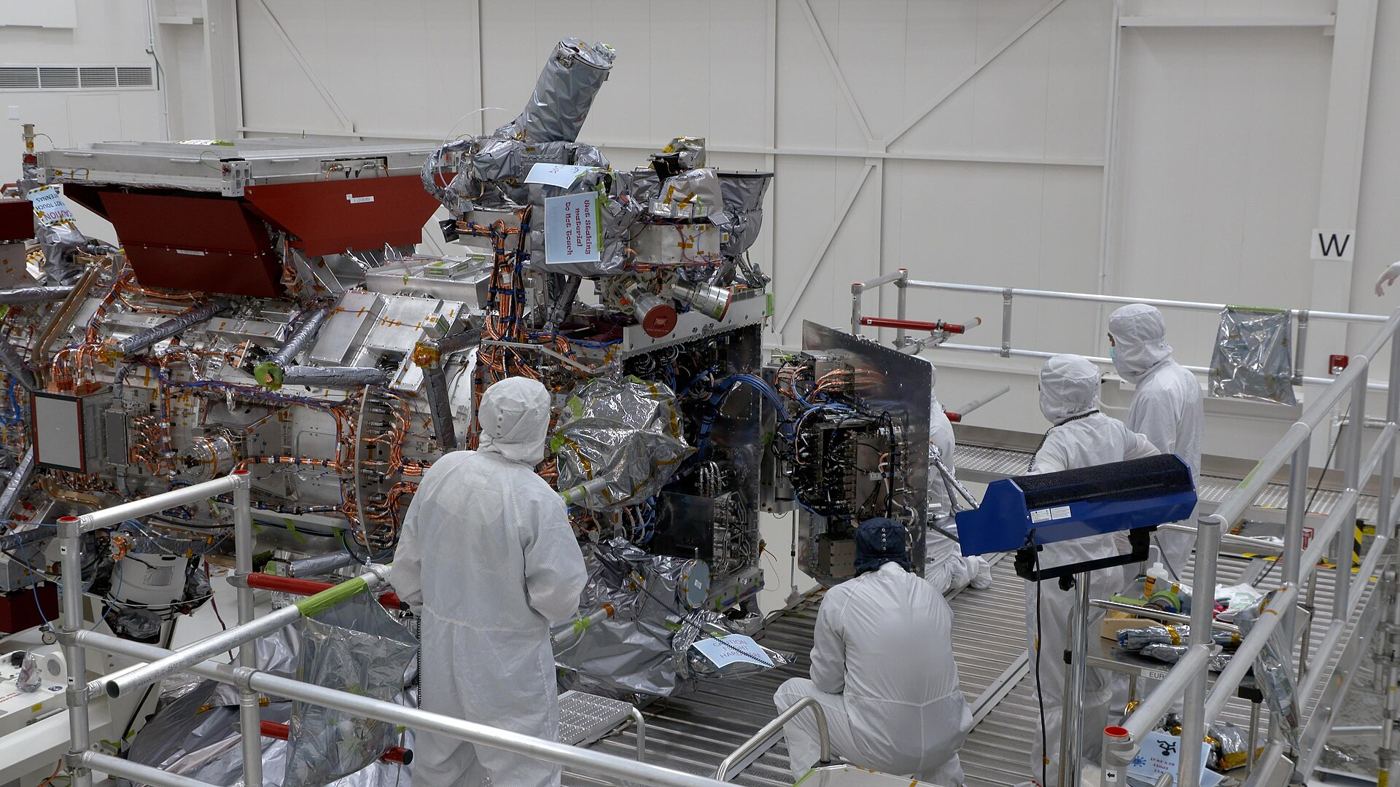
Jupiter’s moon Europa hides one of the most promising places in the Solar System to look for life, and a NASA spacecraft is now on its way there. Europa Clipper launched on 14 October 2024 aboard a SpaceX Falcon Heavy rocket from Kennedy Space Center in Florida, beginning a journey of about 3 billion kilometres that will end with arrival at Jupiter in April 2030. Beneath Europa’s cracked shell of ice lies a global salty ocean that scientists estimate holds about twice as much water as all of Earth’s oceans combined. The spacecraft, the largest NASA has ever built for a planetary mission, carries nine scientific instruments, including ice-penetrating radar, cameras and a magnetometer, and it will make 49 close flybys of Europa to study the ice and the ocean below.
What the Evidence Shows
Europa Clipper will not land and it cannot see through the ice directly, so its science is a detective job. The radar will probe the ice shell’s thickness, the magnetometer will measure how the ocean responds to Jupiter’s magnetic field, and spectrometers will sample the thin atmosphere for molecules vented from below. Together the measurements should reveal whether the ocean is habitable: whether it has liquid water, the chemical ingredients for life and an energy source. The spacecraft also carries a thermal imager to look for warm spots where ocean water may be welling up through cracks in the ice. The mission’s designers chose flybys rather than orbit because Jupiter’s intense radiation would destroy an orbiter quickly, so Clipper swings past Europa and retreats to safety between visits, gathering its evidence in brief, daring passes. Its findings will decide whether a future lander is worth the risk. Reporting and analysis from sources such as NASA track the same developments, and specialists following Europa Clipper mission to Europa say the direction is now consistent across independent lines of evidence.
The Wider Context
Funding bodies are watching Europa Clipper mission to Europa closely because the work sits at the junction of basic curiosity and practical return. Grant panels increasingly ask for a path from discovery to application, while researchers push back that the most valuable uses of fundamental science are rarely the ones written into the original proposal. The tension is productive when both sides stay honest about timescales.
What Happens Next
The long view on Europa Clipper mission to Europa is that fields advance by accumulation rather than by single announcements. This result adds a solid, checkable piece to a structure many teams are building, and its authors have shared their data so the piece can be tested from every side. That is how the picture eventually becomes reliable enough to act on. You can follow related developments in our coverage of science.

It is also worth remembering how quickly the picture in this area has changed before. Positions that looked settled a few years ago have been revised as new data arrived, and the same humility is appropriate now. The strongest coverage of this subject, and the most useful advice, tends to come from sources that update their views openly when the facts move, rather than defending an earlier position long after it has stopped fitting the evidence available.
