
Table of Contents
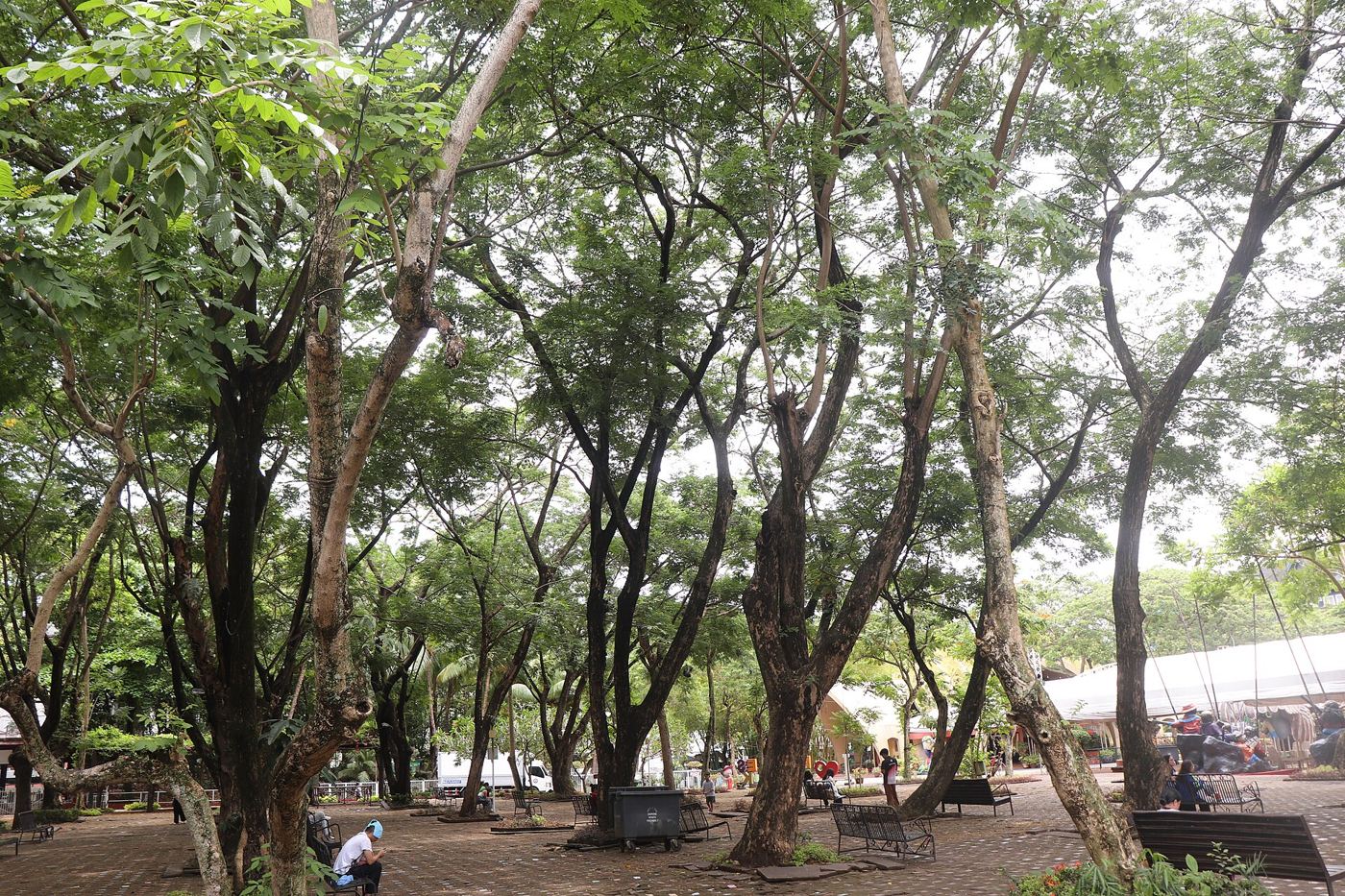
During a heatwave, the most dangerous place in a city is often the most ordinary one: a sun-baked pavement with no cover overhead. Researchers measuring surface temperatures have recorded asphalt in direct sun reaching more than twenty degrees hotter than the same surface in shade, and air at head height is noticeably cooler beneath trees and awnings. That gap matters for health, because heat illness rises sharply once the body can no longer shed warmth fast enough, and older people, young children and outdoor workers are affected first. Shade works in two ways at once. It blocks the direct radiation that heats skin and clothing, and trees add a second benefit as their leaves release water vapour that cools the surrounding air. City health teams are therefore treating shade as a practical safety measure, not a luxury, mapping where people wait, walk and queue outdoors and asking which of those routes offer no escape from the midday sun at all.
What the Evidence Shows
Several cities have begun redesigning streets with shade as a stated goal rather than an afterthought. Planners are planting trees along school walking routes, adding canopies over bus stops and market squares, and choosing building materials that reflect rather than store heat. Some are also changing the shape of new streets, using taller buildings and narrower carriageways to cast longer shadows during the hottest hours. The work is slowest where it is needed most, because poorer districts often have the fewest trees and the widest, most exposed roads. Community groups are helping by watering young street trees and reporting damaged ones, while councils experiment with fast-growing species that provide cover within a few years. Researchers caution that shade alone cannot solve extreme heat, and that cool drinking water, rest breaks and warning systems still matter. Even so, they say a shaded walk to school or to work is one of the cheapest protections a city can offer its residents. Reporting and analysis from sources such as NASA track the same developments, and specialists following the shaded city streets say the direction is now consistent across independent lines of evidence.
The Wider Context
Funding bodies are watching the shaded city streets closely because the work sits at the junction of basic curiosity and practical return. Grant panels increasingly ask for a path from discovery to application, while researchers push back that the most valuable uses of fundamental science are rarely the ones written into the original proposal. The tension is productive when both sides stay honest about timescales.
What Happens Next
The long view on the shaded city streets is that fields advance by accumulation rather than by single announcements. This result adds a solid, checkable piece to a structure many teams are building, and its authors have shared their data so the piece can be tested from every side. That is how the picture eventually becomes reliable enough to act on. You can follow related developments in our coverage of science.

It is also worth remembering how quickly the picture in this area has changed before. Positions that looked settled a few years ago have been revised as new data arrived, and the same humility is appropriate now. The strongest coverage of this subject, and the most useful advice, tends to come from sources that update their views openly when the facts move, rather than defending an earlier position long after it has stopped fitting the evidence available.
