
Table of Contents
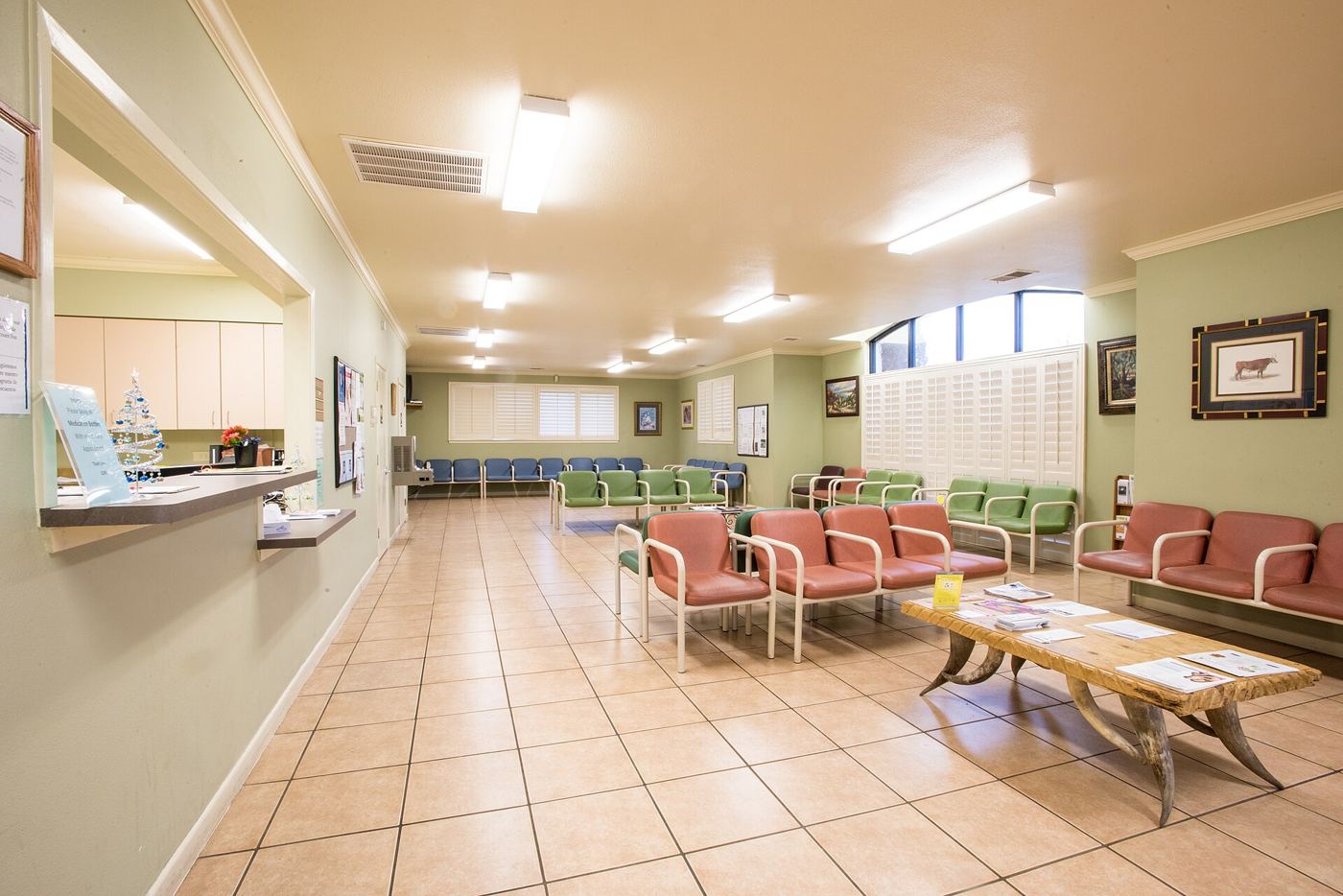
Waiting rooms are rarely anyone’s favourite place, but community clinics are quietly redesigning the minutes patients spend there. Clear screens now explain delays honestly, leaflets cover local support services, and staff use the space to share practical health information in plain language. Specialists following community clinic waiting rooms say small changes alter the whole experience of a visit. When people understand why appointments run late and what will happen next, anxiety drops and consultations start more calmly. Some clinics have added blood pressure stations for self checks, children’s corners to ease family visits, and noticeboards advertising walking groups, vaccination sessions and debt or housing advice. The waiting room becomes a gateway to wider community support, not just a row of chairs. Managers are also listening to patient feedback about seating, lighting, privacy at reception and clearer signage for people with sight or hearing difficulties. None of these improvements require large budgets. They rely on staff noticing friction points in a normal day and fixing them one by one for local patients.
What the Evidence Shows
The redesign also helps clinics manage busy winter demand more fairly. Check in screens free reception staff to help people who need personal assistance, while text updates let some patients wait outside or in a cafe until their turn approaches. Specialists following community clinic waiting rooms say honest communication matters more than decoration. A short explanation from a nurse about a delay can do more for patience than any poster on the wall. Clinics are sharing what works through local networks, borrowing ideas from neighbouring practices and testing them quickly. Patients notice the difference when a visit feels organised and respectful of their time. For neighbourhoods where the clinic is a trusted anchor, these steady improvements strengthen confidence in local services. The lesson travels well beyond one waiting room. When healthcare spaces are designed around real people’s worries, routines and time, even a short wait can become useful, informative and noticeably less stressful for everyone involved. Reporting and analysis from sources such as World Health Organization track the same developments, and specialists following community clinic waiting rooms say the direction is now consistent across independent lines of evidence.
The Wider Context
The wider context is a health system trying to move from treating illness late to preventing it early, against budgets that reward the opposite. Evidence around community clinic waiting rooms is being weighed by guideline committees that ask two questions in order: does it work, and can ordinary services actually deliver it at scale. Many good ideas pass the first test and stall on the second.
What Happens Next
What happens next for community clinic waiting rooms depends on the slow machinery of guidelines, funding and training catching up with the evidence. Patients asking about it today should expect honest answers that include uncertainty, and clinicians say a service that explains what is not yet known earns more trust than one that oversells. The research pipeline, at least, is moving in the right direction. You can follow related developments in our coverage of health.

There is a practical lesson in all of this for readers deciding what to do today. Start with the verified facts, be wary of anyone promising certainty, and prefer reversible steps while the evidence is still developing. Circumstances differ by country, income and personal situation, so general guidance should always be weighed against your own context before you act on it in any significant or lasting way.
