
Table of Contents
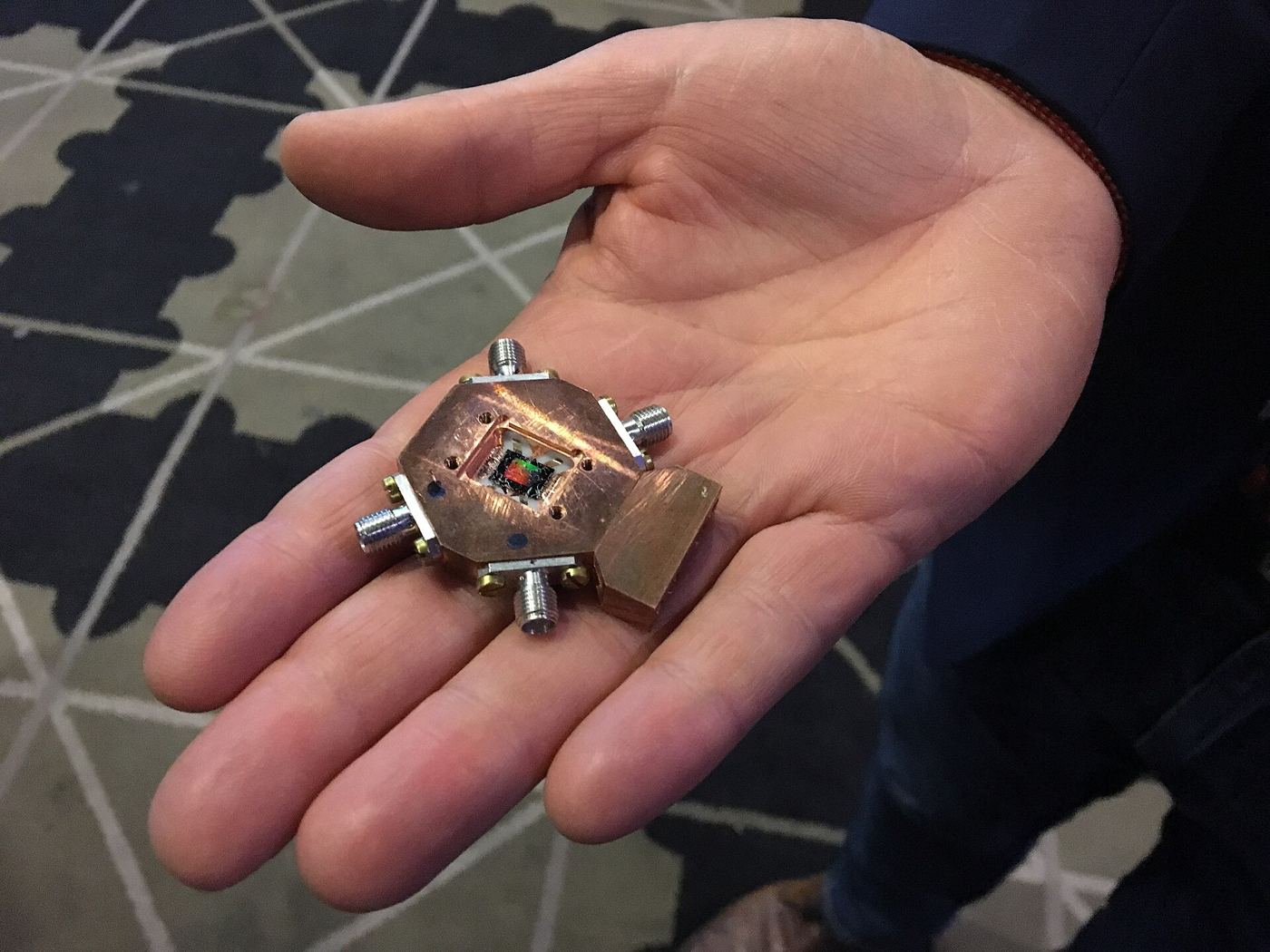
Nvidia, IBM and the Fermi National Accelerator Laboratory have announced a joint platform to design the next generation of quantum computers, alongside a breakthrough that speeds up error-correction research by up to 13,000 times. The collaboration was announced on 16 November 2026 at the Supercomputing 2026 conference in Chicago. The three partners will colocate Nvidia DGX B200 systems with IBM quantum computers, including machines powered by IBM Quantum Nighthawk, the most powerful processor IBM has built. Nvidia also released TCBP-JOBS, a new decoding algorithm in its CUDA-Q platform, which cuts the time needed to research new quantum error-correction designs from 12 weeks to 45 minutes. The platform will also simplify how quantum processors are scheduled inside supercomputing workflows through the Slurm system.
What the Evidence Shows
Quantum computers are held back by errors, and correcting those errors is one of the hardest problems in the field. A quantum machine must check its own calculations constantly, and the decoding step that finds the errors can take so long that it slows research to a crawl. The new algorithm attacks exactly that bottleneck, letting researchers test far more designs in far less time. The collaboration also brings quantum and classical computing closer together: IBM, RIKEN and Nvidia showed a quantum-classical simulation of an iron-sulfur cluster found in living cells that was 79 times more accurate than previous work. The partners plan to use the platform for demanding problems in high-energy and nuclear physics, the kind of science that neither quantum nor classical machines can handle alone. The work will also test how quantum processors fit into the supercomputers that already run the world’s biggest simulations. Reporting and analysis from sources such as MIT Technology Review track the same developments, and specialists following the quantum codesign platform say the direction is now consistent across independent lines of evidence.
The Wider Context
The wider context is an industry learning to ship capability and restraint together. Products built around the quantum codesign platform now launch with safety evaluations, usage data and rollback plans as standard, because enterprise buyers and regulators ask for them in the first meeting. Companies that treated those questions as friction are discovering they have become the purchase criteria.
What Happens Next
What happens next for the quantum codesign platform depends less on another breakthrough than on the unglamorous work of reliability, pricing and support. The buyers evaluating it now are not enthusiasts; they are operators with budgets and auditors, and their checklists will decide the timeline. On the evidence of the current pilots, the technology has earned the right to be judged by them. You can follow related developments in our coverage of technology.

There is a practical lesson in all of this for readers deciding what to do today. Start with the verified facts, be wary of anyone promising certainty, and prefer reversible steps while the evidence is still developing. Circumstances differ by country, income and personal situation, so general guidance should always be weighed against your own context before you act on it in any significant or lasting way.
