
Table of Contents
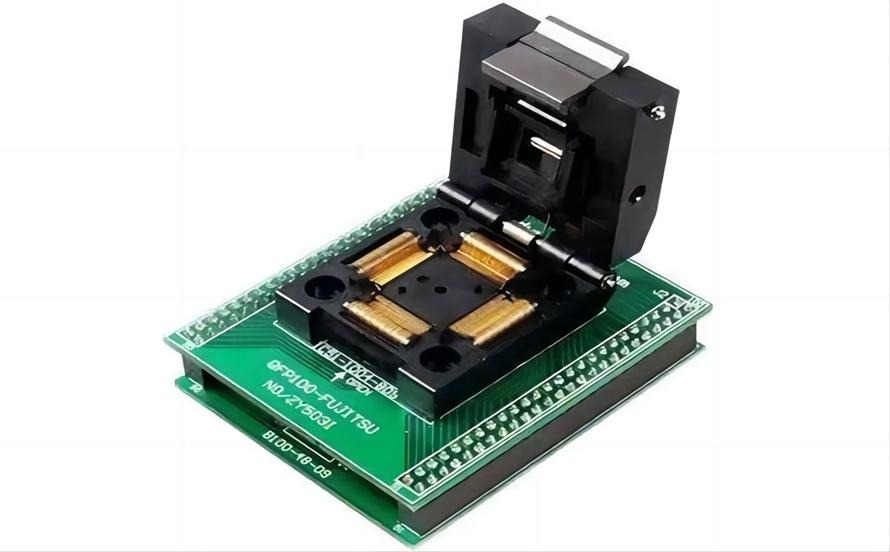
Integrated circuits are the intelligence behind modern electronic devices, enabling everything from consumer gadgets and industrial automation systems to automotive electronics and medical equipment. However, an integrated circuit is not always ready to perform its intended function immediately after manufacturing. Many microcontrollers, memory chips, programmable logic devices, and system-on-chip components require firmware, bootloaders, configuration data, or security information to be programmed before they can operate correctly. This critical process is known as IC Programming.
As electronic products become more advanced, accurate programming has become just as important as PCB fabrication and assembly. A single programming error can prevent an entire product from functioning, leading to production delays, costly rework, and product failures. Manufacturers therefore rely on precise programming equipment and standardized processes to ensure every integrated circuit receives the correct software and configuration.
Professional IC Programming service providers offer specialized programming solutions for prototype development, low-volume production, and high-volume manufacturing. Their expertise helps manufacturers reduce production errors, improve traceability, protect intellectual property, and ensure every device is correctly configured before final testing.
This article explores what IC programming is, how the programming process works, its benefits, common applications, and why selecting a professional programming service is important for successful electronics manufacturing.

What Is IC Programming?
IC Programming is the process of writing firmware, software, configuration data, calibration parameters, or security information into programmable integrated circuits before or during electronic product assembly. Depending on the application, programming may involve microcontrollers, EEPROMs, Flash memory devices, CPLDs, FPGAs, system-on-chip processors, or other programmable semiconductor components.
Programming prepares the integrated circuit to perform its intended function by loading the code that controls system operation. For example, a microcontroller may receive firmware that manages sensors and communication, while a memory device may store calibration data or product identification information.
Programming can be completed before components are mounted onto the PCB using dedicated programming equipment or after assembly through in-circuit programming interfaces. The selected method depends on the component type, production volume, and overall manufacturing process.
Accurate programming ensures that electronic products function correctly from the moment they are powered on.
Why IC Programming Is Important
Modern electronic products rely heavily on embedded software to perform their intended functions. Even perfectly manufactured hardware cannot operate without correctly programmed integrated circuits.
Proper IC Programming ensures that every electronic device receives identical firmware and configuration settings, improving product consistency throughout production. It also enables manufacturers to customize products for different customers or regional markets by loading application-specific software during manufacturing.
Programming is equally important for implementing product security. Encryption keys, secure bootloaders, authentication certificates, and device identification data can all be stored within programmable integrated circuits to protect intellectual property and prevent unauthorized duplication.
Reliable programming processes reduce manufacturing defects while improving overall production efficiency. By verifying programmed data before final assembly, manufacturers minimize costly troubleshooting and product failures later in the production cycle.
The IC Programming Process
The IC Programming process begins with the preparation of verified firmware and programming files developed by the engineering team. Before production starts, these files undergo careful validation to ensure they contain the correct software version and configuration data.
Programmable integrated circuits are then loaded into automated or manual programming systems capable of communicating with the specific device. The programmer writes firmware into the memory while simultaneously verifying that all data has been correctly stored.
In high-volume manufacturing, automated programming systems can process thousands of components with exceptional speed and accuracy. Some production lines also perform in-system programming after PCB assembly, allowing firmware updates to be completed during final product testing.
Once programming has been completed, verification procedures confirm that every integrated circuit contains the correct software and operates according to design specifications. Successfully programmed devices then proceed to PCB assembly or final product integration depending on the manufacturing workflow.
Benefits of Accurate IC Programming
One of the greatest advantages of reliable IC Programming is improved product quality. Correct firmware installation ensures consistent product functionality across every manufactured unit, reducing the likelihood of software-related defects.
Programming also improves manufacturing flexibility by allowing software revisions to be introduced without redesigning the hardware. This enables manufacturers to update product features, correct software bugs, or customize devices for specific applications while using the same PCB design.
Another important benefit is enhanced product security. Secure programming methods protect confidential firmware, encryption keys, and proprietary algorithms from unauthorized access during manufacturing.
Accurate programming also simplifies product traceability by allowing manufacturers to assign unique serial numbers, production data, or calibration information to individual devices.
Together, these advantages improve manufacturing efficiency while supporting higher product reliability and better long-term customer satisfaction.
Applications of IC Programming
IC programming is used throughout nearly every electronics industry. Consumer electronics manufacturers program microcontrollers and memory devices used in smartphones, smart home products, televisions, gaming systems, wearable devices, and household appliances before final assembly.
Automotive manufacturers rely on programmed integrated circuits for engine control units, battery management systems, infotainment platforms, advanced driver assistance systems, electric vehicle controllers, and digital instrument clusters that require precise software configuration.
Medical equipment manufacturers use IC programming for diagnostic instruments, patient monitoring systems, laboratory equipment, portable healthcare devices, and implantable electronics where software accuracy directly affects system reliability.
Industrial automation companies program controllers, programmable logic devices, motor drives, sensors, robotics equipment, and process control systems that depend on embedded firmware for accurate operation.
Telecommunications infrastructure, aerospace electronics, defense systems, networking equipment, renewable energy controllers, security systems, Internet of Things devices, and scientific instruments all depend on precise IC programming before deployment.
Why Choose a Professional IC Programming Service?
An experienced IC Programming service offers significant advantages over performing programming using basic in-house equipment. Professional service providers possess specialized programming systems capable of supporting a wide range of semiconductor manufacturers and programmable device families.
Experienced programming engineers understand device-specific programming requirements, voltage levels, timing parameters, security settings, and verification procedures that help ensure reliable programming results.
Modern programming facilities often utilize automated programming equipment capable of processing high production volumes while maintaining exceptional accuracy. Automated systems reduce handling errors, improve throughput, and provide complete programming traceability throughout the manufacturing process.
Professional service providers also implement secure firmware management procedures that protect confidential software and intellectual property during production. Strict version control ensures that every production batch receives the correct firmware revision while preventing accidental programming errors.
By integrating programming services into PCB assembly workflows, manufacturers can streamline production while reducing lead times and improving overall manufacturing efficiency.
Quality Assurance in IC Programming
Quality assurance is essential because even a single programming error can affect product functionality. Professional programming providers validate firmware files before production begins to ensure that only approved software versions are released for manufacturing.
During programming, automated verification compares the programmed memory against the original source files to confirm complete data accuracy. Programming equipment also monitors communication integrity, programming voltage, device identification, and memory status throughout the process.
Additional testing may include checksum verification, functional validation, security bit confirmation, serial number generation, and firmware version tracking to ensure complete programming accuracy.
Many professional service providers operate under internationally recognized quality standards such as ISO 9001 while following IPC manufacturing practices and customer-specific quality requirements. Comprehensive documentation and production traceability provide manufacturers with confidence that every programmed integrated circuit meets required specifications before entering final assembly.
Conclusion
IC Programming is a critical step in modern electronics manufacturing, ensuring that programmable integrated circuits receive the firmware, configuration data, and security information required for reliable operation. Accurate programming supports product quality, improves manufacturing consistency, enhances device security, and enables efficient production across a wide range of electronic applications.
Choosing a professional IC Programming service provides access to advanced programming equipment, experienced engineering support, automated verification systems, and strict quality control procedures. Whether producing prototypes or high-volume commercial products, reliable programming services help manufacturers reduce production risks while delivering dependable electronic devices to global markets.
As embedded systems continue to become more sophisticated, IC programming will remain an essential part of electronics manufacturing, supporting the development of innovative, secure, and high-performance products across consumer, industrial, automotive, medical, and aerospace industries.
