
Table of Contents
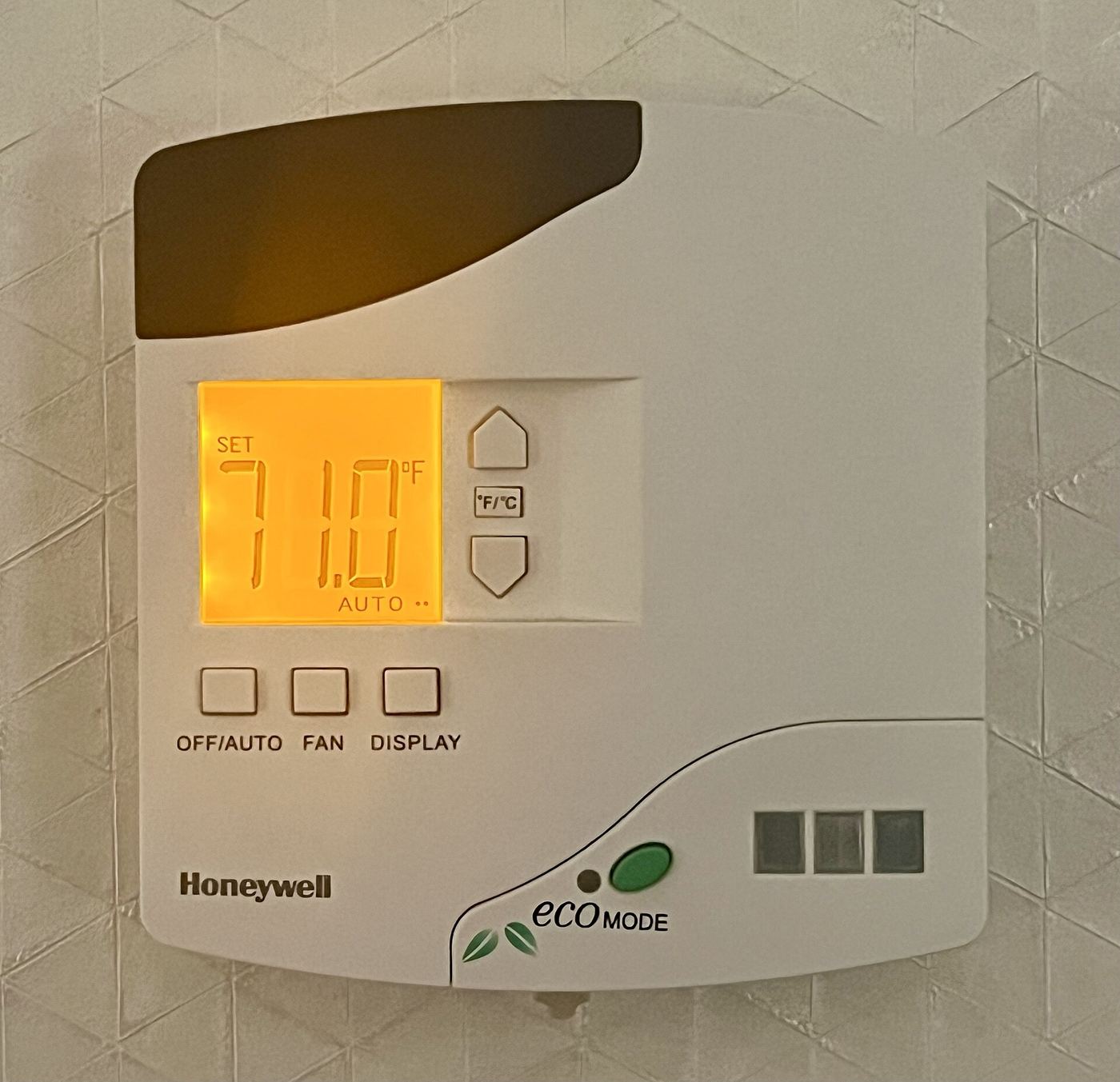
Most homes heat empty rooms for hours every day, warming bedrooms in the morning and living rooms long after everyone has gone to bed. A smart thermostat is a small wall-mounted device that tries to stop that waste. It learns when the household wakes, leaves and returns, and builds a heating schedule around those habits instead of a fixed timer. Sensors in the room measure temperature and humidity, and some models notice when people are actually at home, so the heating can ease off when the house is empty and warm up again shortly before someone returns. The device is controlled from a phone, so the temperature can be changed from the sofa or from the train home. Many models also show how much energy each day of heating has used, turning an invisible bill into something the household can see and act on.
What the Evidence Shows
The savings come from small changes repeated every day. Lowering the temperature by a single degree for a few hours can cut a noticeable share of a heating bill, and a thermostat that does it automatically is easier to live with than one that needs constant fiddling. Some models learn how long the house takes to warm up, so they start the boiler at the right moment instead of running it early just to be safe. They can also warn when a room stays cold for no clear reason, which sometimes points to a draughty window or a radiator that needs bleeding. A smart thermostat cannot fix a poorly insulated home on its own, and it works best when the household sets honest schedules rather than fighting it. Used well, it turns heating from a habit into a decision made room by room, hour by hour. Reporting and analysis from sources such as MIT Technology Review track the same developments, and specialists following the smart thermostats learning your routine and trimming heating bills say the direction is now consistent across independent lines of evidence.
The Wider Context
The wider context is an industry learning to ship capability and restraint together. Products built around the smart thermostats learning your routine and trimming heating bills now launch with safety evaluations, usage data and rollback plans as standard, because enterprise buyers and regulators ask for them in the first meeting. Companies that treated those questions as friction are discovering they have become the purchase criteria.
What Happens Next
What happens next for the smart thermostats learning your routine and trimming heating bills depends less on another breakthrough than on the unglamorous work of reliability, pricing and support. The buyers evaluating it now are not enthusiasts; they are operators with budgets and auditors, and their checklists will decide the timeline. On the evidence of the current pilots, the technology has earned the right to be judged by them. You can follow related developments in our coverage of technology.

There is a practical lesson in all of this for readers deciding what to do today. Start with the verified facts, be wary of anyone promising certainty, and prefer reversible steps while the evidence is still developing. Circumstances differ by country, income and personal situation, so general guidance should always be weighed against your own context before you act on it in any significant or lasting way.
